The Power of Editing: What to Remove From Your Home This Year
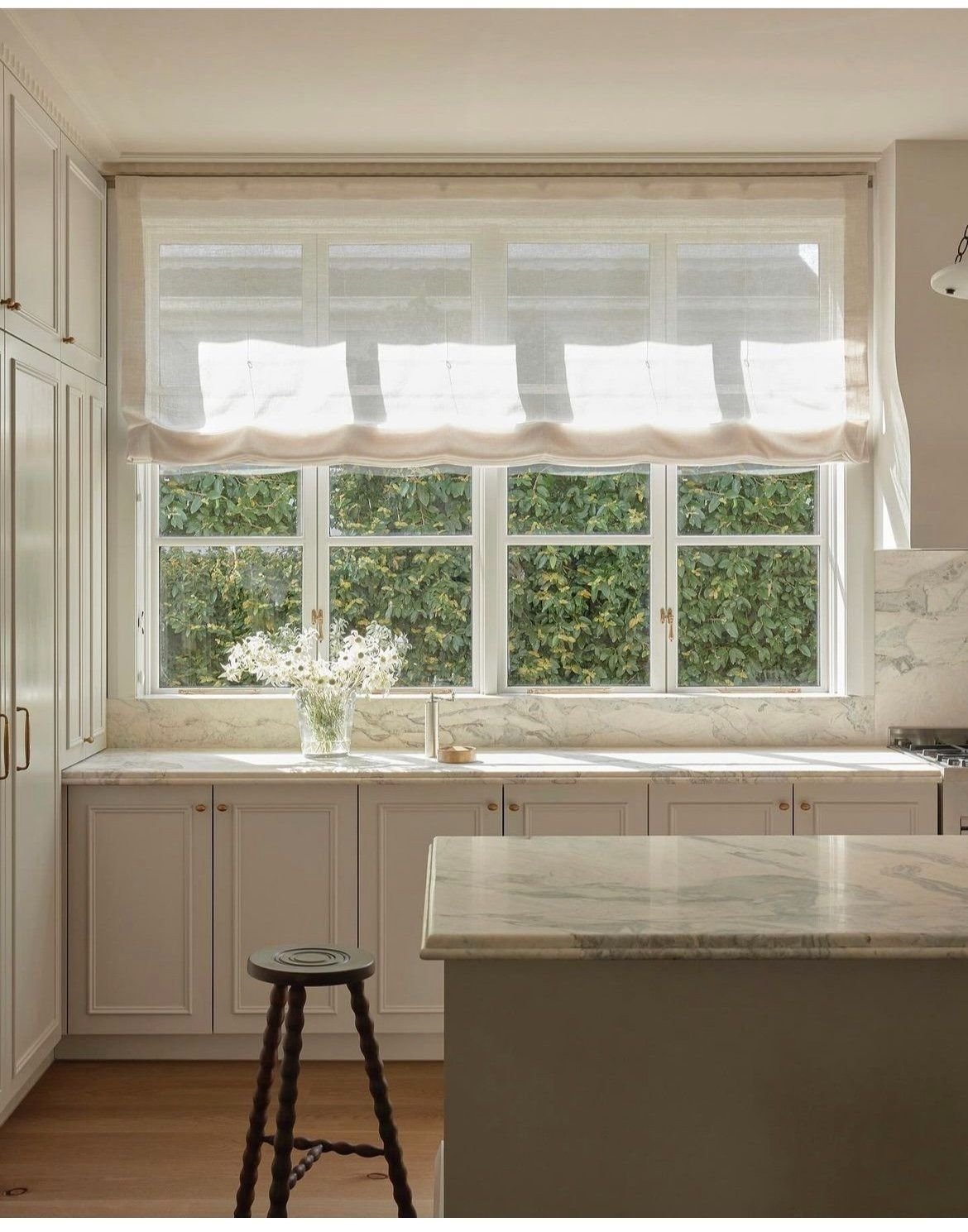
As I settle into a new apartment, I’ve been deeply focused on editing—everything from my decor to my wardrobe. What I’ve come to realize is how much lighter and better life feels with less clutter. Living without nearly 90% of my things for the past two months offered an unexpected perspective: the pieces I put in storage weren’t missed at all. When I began pulling things back out, I was struck by just how much of it no longer felt necessary—and how ready I am to let it go.
How Editing Transforms a Space
When you remove what doesn’t belong, the pieces that remain feel more intentional, more elevated, more you. Light moves more freely. Rooms feel calmer. You begin to notice craftsmanship, texture, and proportion in a deeper way.
Editing also makes room—for better furniture, meaningful art, future memories, and a lifestyle that feels aligned.
A Gentle Approach
Editing doesn’t have to happen all at once. Start with one drawer, one shelf, one corner of a room. Trust your instincts. If something consistently gives you pause, that hesitation is information.
A beautiful home isn’t defined by how much it holds, but by how thoughtfully it’s been chosen.
This year, consider editing not as loss—but as refinement. A return to what matters most.
1. Pieces You’re Keeping “For Someday”
If an item is waiting for a future house, a future lifestyle, or a future version of you—it’s likely not serving you today. Beautiful homes are designed for the present moment. Let go of pieces that feel perpetually on standby.
Ask yourself: If I were decorating this home from scratch today, would this make the cut?
2. Furniture That Doesn’t Fit the Scale of the Room
Oversized pieces in small rooms (or underwhelming pieces in large spaces) quietly disrupt the flow of a home. Editing may mean removing one chair too many, swapping a bulky coffee table for something more refined, or letting a room breathe by reducing visual weight.
Scale is one of the most transformative—yet overlooked—elements of good design.
3. Decor Without Meaning
Decor should feel personal, not obligatory. If you’ve collected objects simply to fill shelves or surfaces, consider paring back. Keep the pieces with history, craftsmanship, or emotional resonance. A few meaningful items will always feel more elevated than many generic ones.
Empty space isn’t unfinished—it’s intentional.
4. Duplicates and “Almost” Items
Multiple throw blankets, extra trays, stacks of vases that never quite work—these are prime editing opportunities. If something is close but not quite right, it often creates subtle visual noise.
One excellent piece will always outperform three mediocre ones.
5. Items That Reflect an Old Season of Life
Our homes should evolve as we do. That art you loved in your twenties, the hand-me-down furniture you kept out of convenience, the trend-driven pieces that no longer resonate—it’s okay to release them with gratitude.
Editing is not about erasing the past, but honoring growth.